Why Didn’t My Bread Rise? (Yeast Bread Troubleshooting)
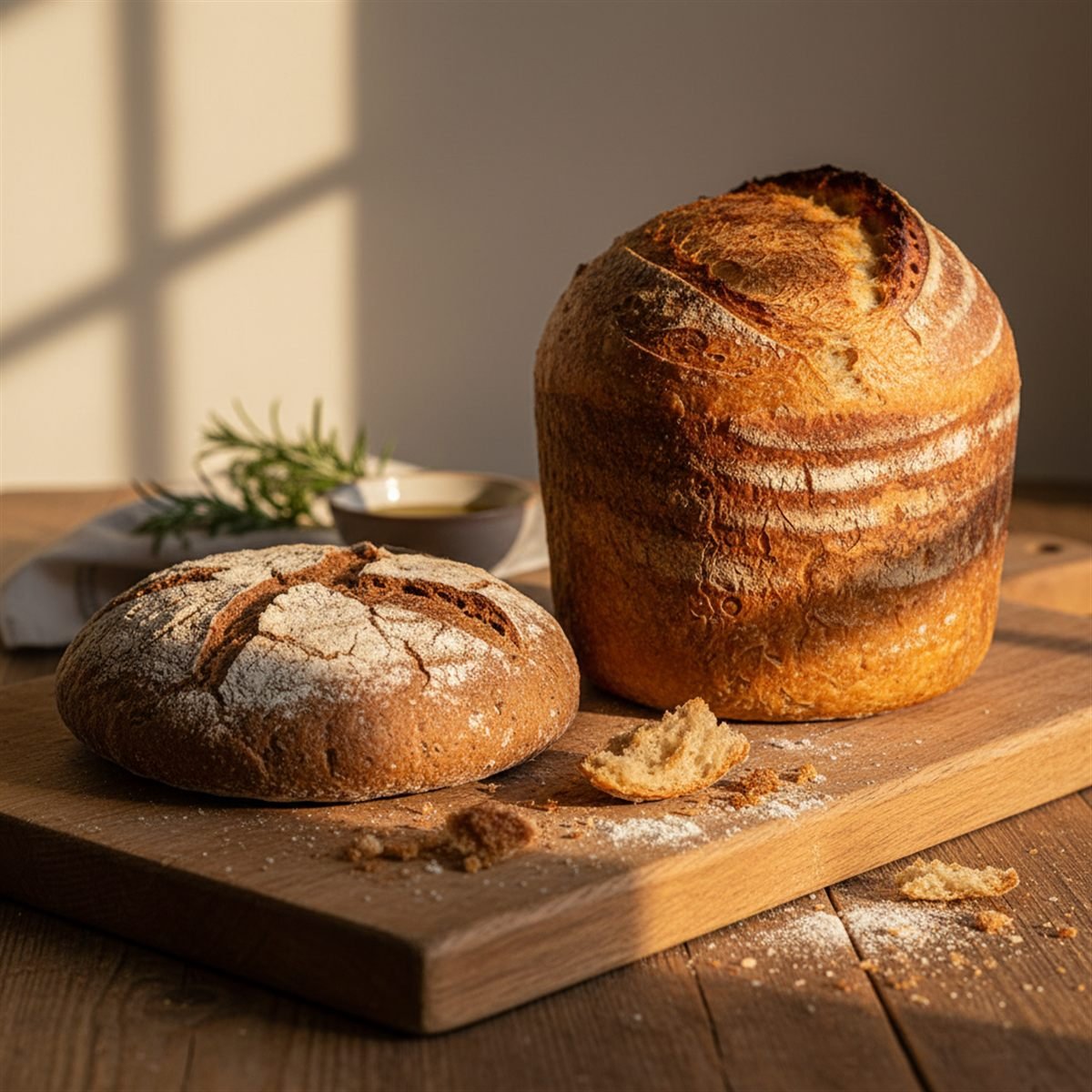
Bread usually fails to rise because of dead yeast — either it’s expired or the liquid was too hot and killed it. Yeast dies above about 130°F, so “warm, not hot” water (100–110°F) is essential. Not enough rising time and a cold kitchen are the other big culprits. Here’s how to test your yeast and fix flat loaves.
The Quick Version
- Proof your yeast in warm water + sugar — it should foam in 10 minutes.
- Use warm, not hot, liquid (100–110°F) — over 130°F kills yeast.
- Give it time — rising takes twice as long in a cold room.
- Keep salt off the yeast — direct contact slows or kills it.
Why your bread didn’t rise
- Dead or expired yeast. Fix: proof it first; replace if it doesn’t foam.
- Liquid too hot. Fix: use 100–110°F (warm like bathwater).
- Liquid too cold. Fix: too-cold water won’t activate the yeast.
- Not enough time. Fix: let it double, however long that takes.
- Cold kitchen. Fix: rise in a warm spot (off oven, near a sunny window).
- Too much salt on the yeast. Fix: add salt to the flour, not directly on the yeast.
Foolproof tip: create a warm proofing spot by heating your oven to its lowest setting for 1 minute, turning it off, and letting the dough rise inside with the door closed.
Frequently asked questions
Why didn’t my bread rise?
Usually dead yeast — expired, or killed by too-hot water (over 130°F). Also too little time, a cold room, or salt on the yeast.
How do I know if my yeast is alive?
Proof it: warm water + a pinch of sugar, wait 10 minutes. Foaming means it’s alive; nothing means it’s dead.
What temperature kills yeast?
Around 130–140°F. Use warm liquid at 100–110°F — comfortably warm, like bathwater.
Can I bake dough that didn’t rise?
If the yeast was dead, it’ll be dense. If it’s alive but slow, give it more time in a warm spot.
More baking help
See all common baking mistakes, or try our beginner-friendly no-yeast quick breads.